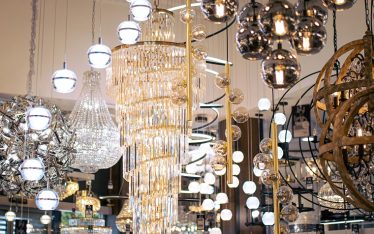
Understanding Interior Lighting Design
Interior lighting design is more than just installing light fixtures. It’s about creating atmospheres, enhancing functionality, and bringing spaces to life. Good lighting can transform a room, affect our mood, and improve our daily activities.
The Three Layers of Lighting
1. Ambient Lighting
– Provides overall illumination
– Usually comes from ceiling fixtures, wall sconces, or natural light
– Creates the foundation of your lighting scheme
– Typically accounts for 75% of a room’s lighting
2. Task Lighting
– Focused lighting for specific activities
– Examples: reading lamps, under-cabinet lights, pendant lights above kitchen islands
– Should be bright enough to prevent eye strain
– Essential in workspaces, kitchens, and reading nooks
3. Accent Lighting
– Adds drama and visual interest
– Highlights architectural features, artwork, or decorative elements
– Usually three times brighter than ambient lighting
– Can include track lights, wall-mounted picture lights, or LED strips
Key Considerations in Lighting Design
Light Temperature
– Warm Light (2700-3000K): Creates cozy, intimate atmospheres
– Natural Light (3500-4000K): Perfect for workspaces
– Cool Light (5000-6500K): Best for detailed tasks and display areas
Light Intensity
– Living Rooms: 1,500-3,000 lumens
– Kitchens: 4,000-8,000 lumens
– Bathrooms: 4,000-8,000 lumens
– Bedrooms: 2,000-4,000 lumens
Room Function
Different spaces require different lighting approaches:
– Living Rooms: Layer lighting for versatility
– Kitchens: Bright, shadow-free task lighting
– Bedrooms: Soft, adjustable lighting
– Home Offices: Even, glare-free illumination
Modern Lighting Technologies
LED Lighting
– Energy-efficient
– Long-lasting
– Color-changing capabilities
– Dimmable options
– Low heat emission
Smart Lighting
– Programmable schedules
– Remote control via smartphone
– Color temperature adjustment
– Integration with home automation
– Energy usage monitoring
Design Tips for Perfect Lighting
1. Start with Natural Light
– Maximize window usage
– Consider light reflections
– Plan artificial lighting around daylight patterns
2. Create Focal Points
– Use statement fixtures
– Highlight key room features
– Balance light distribution
3. Consider Room Heights
– High ceilings: pendant lights or chandeliers
– Standard heights: flush mounts or semi-flush fixtures
– Low ceilings: recessed lighting
4. Plan for Flexibility
– Install dimmers
– Use multiple circuits
– Include portable lighting options
Common Mistakes to Avoid
1. Insufficient Lighting
– Always plan for more light than you think you need
– Include multiple light sources
– Consider aging eyes need more light
2. Poor Placement
– Avoid creating harsh shadows
– Consider furniture placement
– Plan switch locations carefully
3. Ignoring Scale
– Match fixture size to room dimensions
– Consider ceiling height
– Balance with furniture
Sustainable Lighting Design
– Use energy-efficient fixtures
– Maximize natural light
– Install motion sensors
– Choose long-lasting bulbs
– Consider solar options
The Impact of Good Lighting
Well-designed lighting:
– Enhances mood and wellbeing
– Increases property value
– Improves functionality
– Creates visual interest
– Saves energy costs
Looking Forward
The future of interior lighting design includes:
– Biodynamic lighting systems
– Advanced LED technology
– Improved smart integration
– Sustainable solutions
– Human-centric design
Conclusion
Successful interior lighting design combines technical knowledge with artistic vision. By understanding the principles of layered lighting, considering room function, and implementing modern technologies, you can create spaces that are both beautiful and functional.
Remember: good lighting should enhance both the space and the experiences within it.